
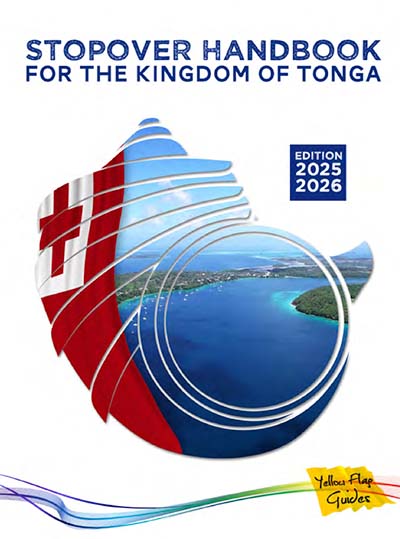
Complete Cruising Guide to Tonga
For comprehensive information about visiting Tonga, download the full Tonga Stop Over Handbook in English or French. This essential resource covers everything you need to know before and during your visit.
General Information
What’s the climate like in Vava’u?
Vava’u has a tropical climate with average temperatures up to 29ºC in January and down to 24ºC in June. It’s sunny throughout the year. Between November and April, it’s more humid with thunderstorms and cyclones occurring. From May to September there are southeast trade winds, while during summer months the winds are from the northeast. For current weather conditions visit Tonga Meteorological Services.
What’s the cost of living?
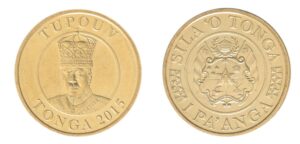
Overall the cost of living is low – a beer costs USD$1.50 in local stores or between USD$2.50-$3.50 at bars and restaurants. Luxury foreign food items come at a premium, but local produce is very well priced.
Are there medical facilities in Vava’u?
Vava’u has hospital facilities in the main town of Neiafu. There’s also a private doctor located at the fully stocked pharmacy in town.
Banking & Money
What banking facilities are available?
There are two main banks in Tonga: ANZ and BSP (Bank of the South Pacific). Both have ATMs that accept most international debit and credit cards. They also offer over-the-counter banking and currency exchange.
Vava’u has a branch of BSP bank and two ATM’s. Western Union also has a branch in Vava’u for money transfer and currency exchange.
Provisioning & Supplies
How easy is it to provision in Vava’u?
Provisioning in Vava’u is very easy. The vegetable market in town is a great source of fresh fruit and vegetables. There are many small shops and stores that supply all necessities of life and some first-world essentials.
Where can I get cooking gas?
Propane is available from Pacific Fuels situated at the southern end of Neiafu harbour. Cafe Tropicana in town offers once-weekly delivery and collection of propane bottles. If gas is required more urgently, arrangements can be made at the office.
Is the local water potable?
Yes, the town water is potable and available for a small fee. Rainwater is also available in some locations such as The Boatyard.
Fuel & Services
Is diesel bunkering available?
Diesel bunkering is available from Pacific Fuels. A minimum order of 250L is required for the truck to deliver. Duty-free bunkering is available after clearing out.
Are there laundry facilities?
There are several laundry services in town including wash/dry/fold services.
Where can we dispose of garbage?
Garbage collection facilities are available at The Boatyard. A rubbish bin for visiting yachts is also situated in front of the VEPA office in town.
Moorings & Harbor
Are moorings available?
Moorings are available in Neiafu harbour and will also be installed in front of The Boatyard. Moorings in Neiafu are, for the most part, administered by Beluga Diving, with a few administered by other companies. All moorings are privately owned and their use should be by permission of the owner/operator.
In 2025 moorings were installed in a number of the Special Management Areas located around Vava’u. These will be administered by the local village.
Clearing In & Regulations
How do I clear into Tonga?
There are five ports of entry into Tonga: Tongatapu, Lifuka (Ha’apai), Vava’u, Niuatoputapu and Niuafo’ou. In all ports, yachts must fly the yellow quarantine flag and be available for inspection.
In Vava’u, yachts clear at the main wharf in Neiafu Harbour. Office hours are 8:30am-4:30pm with a lunch break from 12:30-1:30pm, Monday to Friday. Yachts can clear on Saturday but an overtime fee is charged. You’ll be boarded by officers from Health, Agriculture, Immigration, and Customs.
Visitors receive a 30-day tourist visa on arrival, extendable monthly (TOP69 per person per month) at the immigration office in Nuku’alofa or Vava’u. Prepare a crew list with names, duties, passport origins and numbers for each person aboard.
Usual restrictions on illicit materials apply. Firearms and ammunition must be declared and surrendered to customs officials – they’ll be returned upon departure.
What are the whale regulations?
Humpback whales migrate annually from Antarctic feeding grounds to Vava’u’s warm waters to mate and calf – a journey of 5000+ miles. Heavy fines apply for yachts not following regulations for whale interactions. Download the Whale Regulation Leaflet for Yachts here.